
HSF Report
Europe’s latest energy shock lays bare the cost of fossil fuel dependence
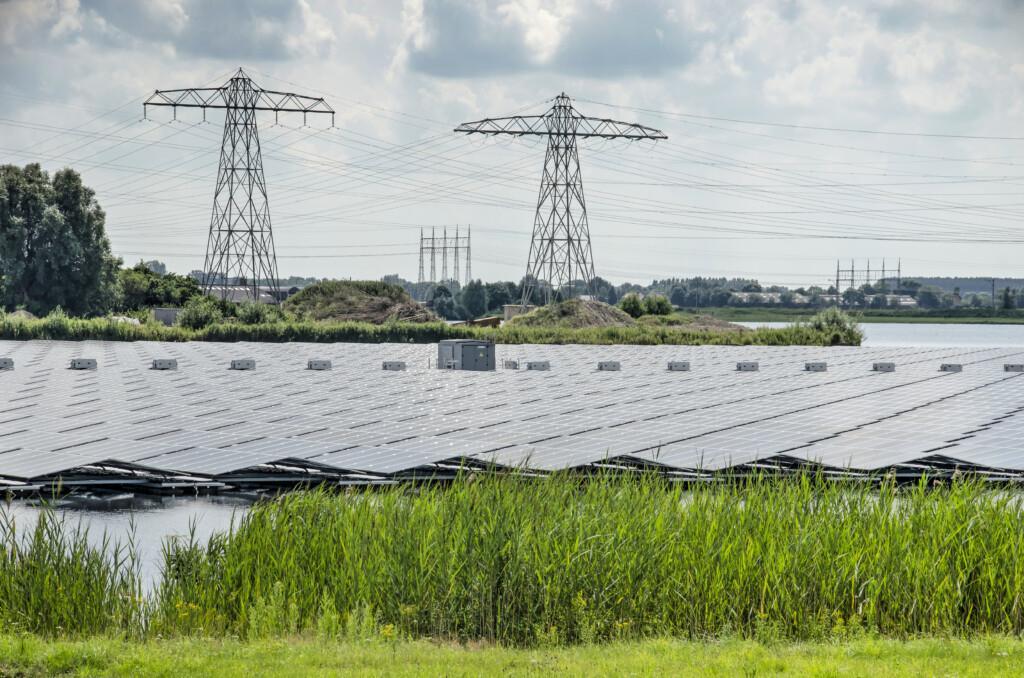
2026 has been a year of energy crisis for Europe, and no quick solution is in sight. The US-Israeli attack on Iran, the closure of the Strait of Hormuz and Iranian retaliation against energy infrastructure in the Persian Gulf have led to serious supply disruptions, declarations of force majeure by producers and profound uncertainty about…
Read MoreAll revved up, middle powers look for traction
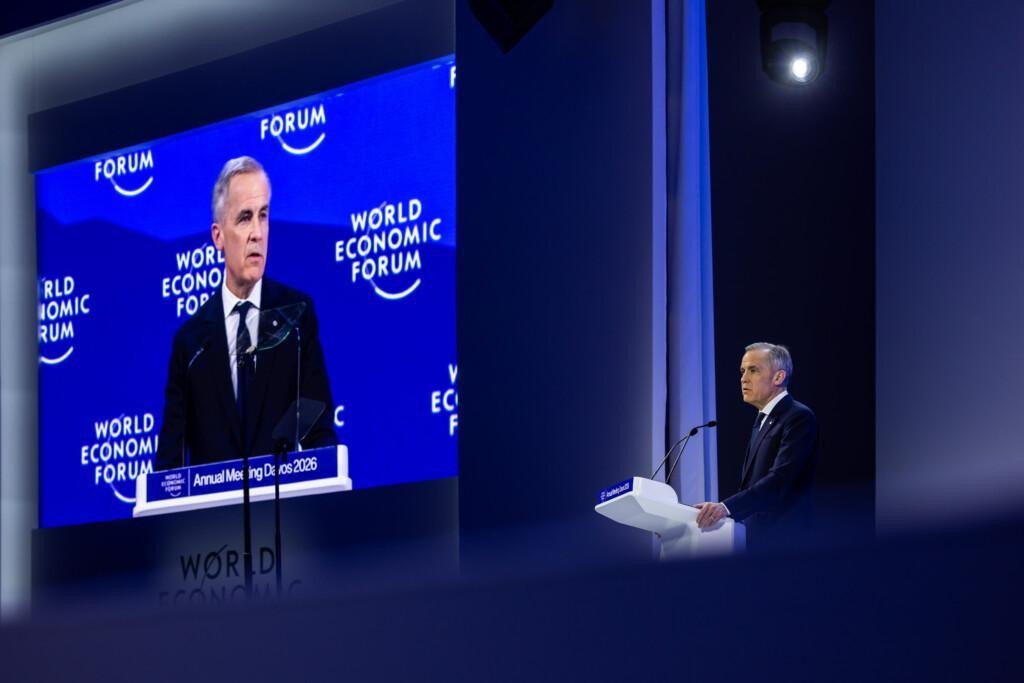
Against the background of intensifying great-power rivalry and a possible return to sphere-of-influence politics, 2026 witnessed a wave of calls to arms by so-called middle powers. Canadian Prime Minister Mark Carney, speaking at the Davos Economic Forum, declared that the old global order was dead and gone and urged middle powers to forge functional coalitions.…
Read MoreWaging deterrence in the future war

The Russo-Ukrainian War has resulted in a sobering reappraisal of the significance of nuclear deterrence in the contemporary security environment. With Russia using nuclear coercion as a strategic instrument of warfare, NATO will have to reckon with the prospect that any open war with Russia would similarly be fought under a nuclear shadow. Despite the…
Read MoreNordic defence cooperation has come a long way – is military integration next?
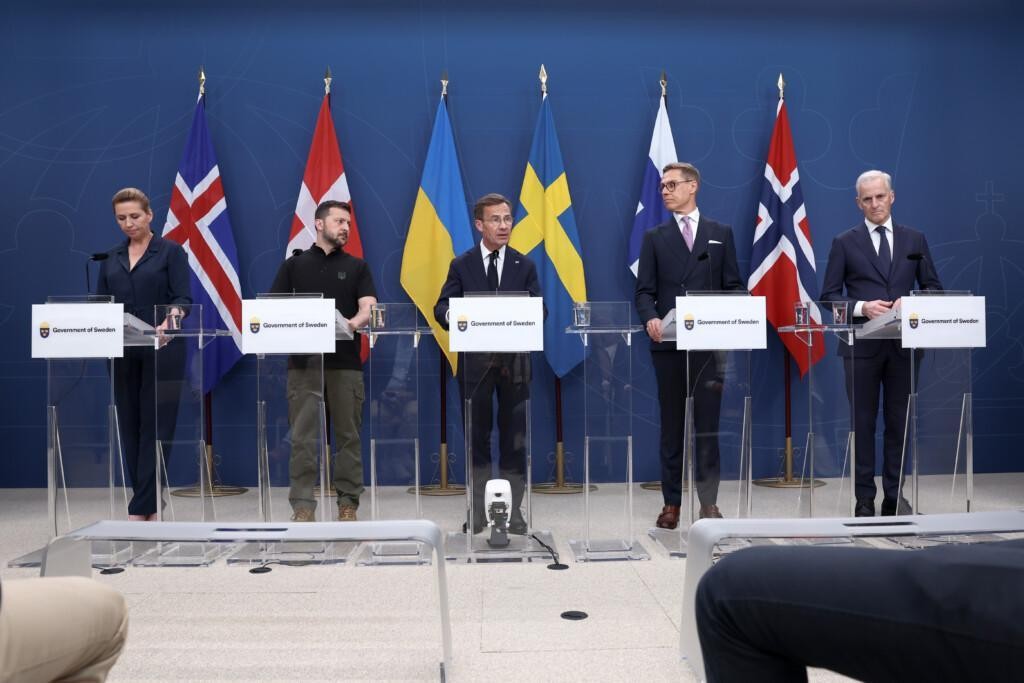
Nordic defence cooperation has reached a new level after Finnish and Swedish NATO accession. For decades, the Nordic region has been an example of what International Relations scholars call a security community – a region characterised by cordial relations, cooperation at various levels, and the unimaginability of interstate war between its members. Now, for the…
Read MoreRussia solves its wartime problems by creating new ones elsewhere
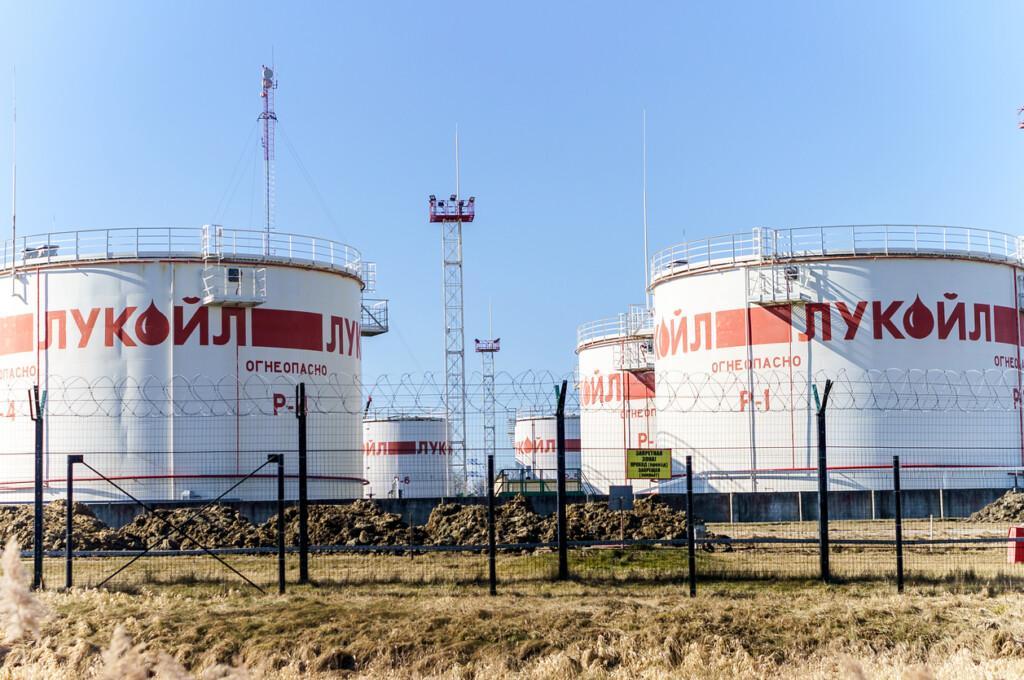
For much of the war, the Kremlin has managed something initially improbable: fighting a major war in Europe while keeping everyday life in much of Russia recognisably normal. However, that image is becoming harder to maintain. In summer 2026, Ukrainian drones struck refineries and industrial sites deep inside Russia. Petrol shortages and rising prices have…
Read MoreFrom drift to direction – Europe needs more than capital to compete in technology

Global technological competition is increasingly structured around two powerhouses. The United States leads through deep capital markets, global talent, defence procurement and digital firms capable of turning research into platforms of enormous scale. China’s model relies more heavily on long-term state direction, rapid technological deployment across a vast domestic market, infrastructure construction and manufacturing depth.…
Read MoreEurope rearms – but is it ready to act?
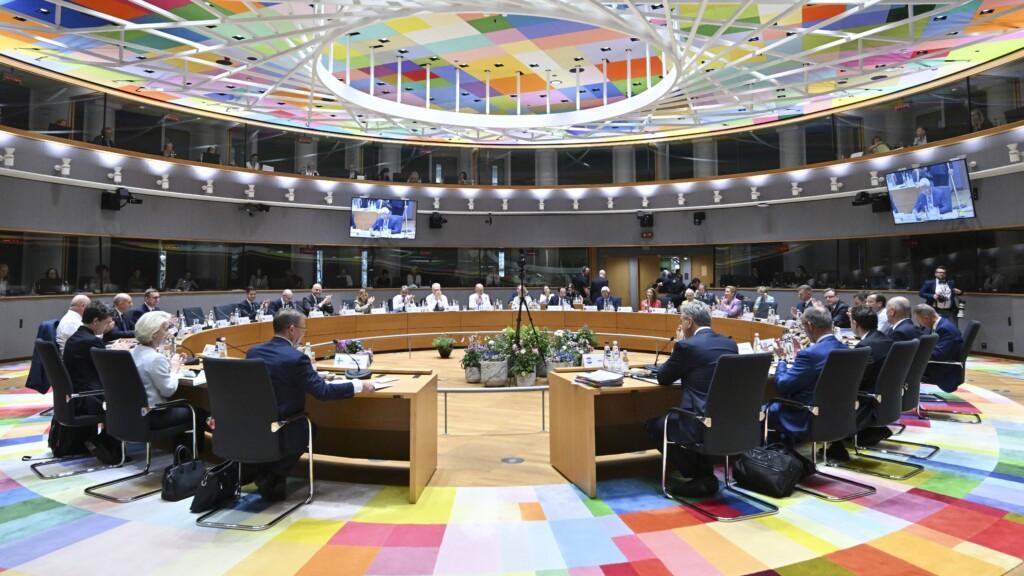
It is spring 2027. A Russian drone strikes critical infrastructure in eastern Poland. Moscow denies responsibility, and the attack appears carefully calibrated to remain just below the threshold of open warfare. Poland invokes NATO’s Article 4, while allies debate whether the incident constitutes sabotage, an armed attack or a deliberate test of NATO’s ability to…
Read MoreHelsinki Security Forum 2026 Report
In 2026, security can no longer be viewed through old assumptions. In the age of exponentially galloping technological disruption, rapidly advancing climate change, the alarming decline in biodiversity, and the overall deterioration of the global security situation, we must look at security with a fresh pair of eyes. As old certainties lose their validity, new…
Read MoreSitting on a cliff: How Europe should enhance Ukraine’s security

Over the last year Ukraine’s political and military position has been worsening. Moscow insists on its maximalist objectives and is determined to continue to pursue them through military means. Amid the shifts in the US policy, Europe has to find ways to enhance Ukraine’s support while offsetting the risks of the US further distancing from…
Read MoreA more equal relationship? The new emerging transatlantic security deal

Since the 2014 illegal annexation of Crimea by Russia, Europe and NATO have slowly returned to building conventional deterrence in Europe. The balance in the transatlantic relationship, however, has largely remained intact. While the US has been doing most of the heavy lifting at its own expense, European countries have wasted precious time reminiscing of…
Read More