Publications
Nordic defence cooperation has come a long way – is military integration next?
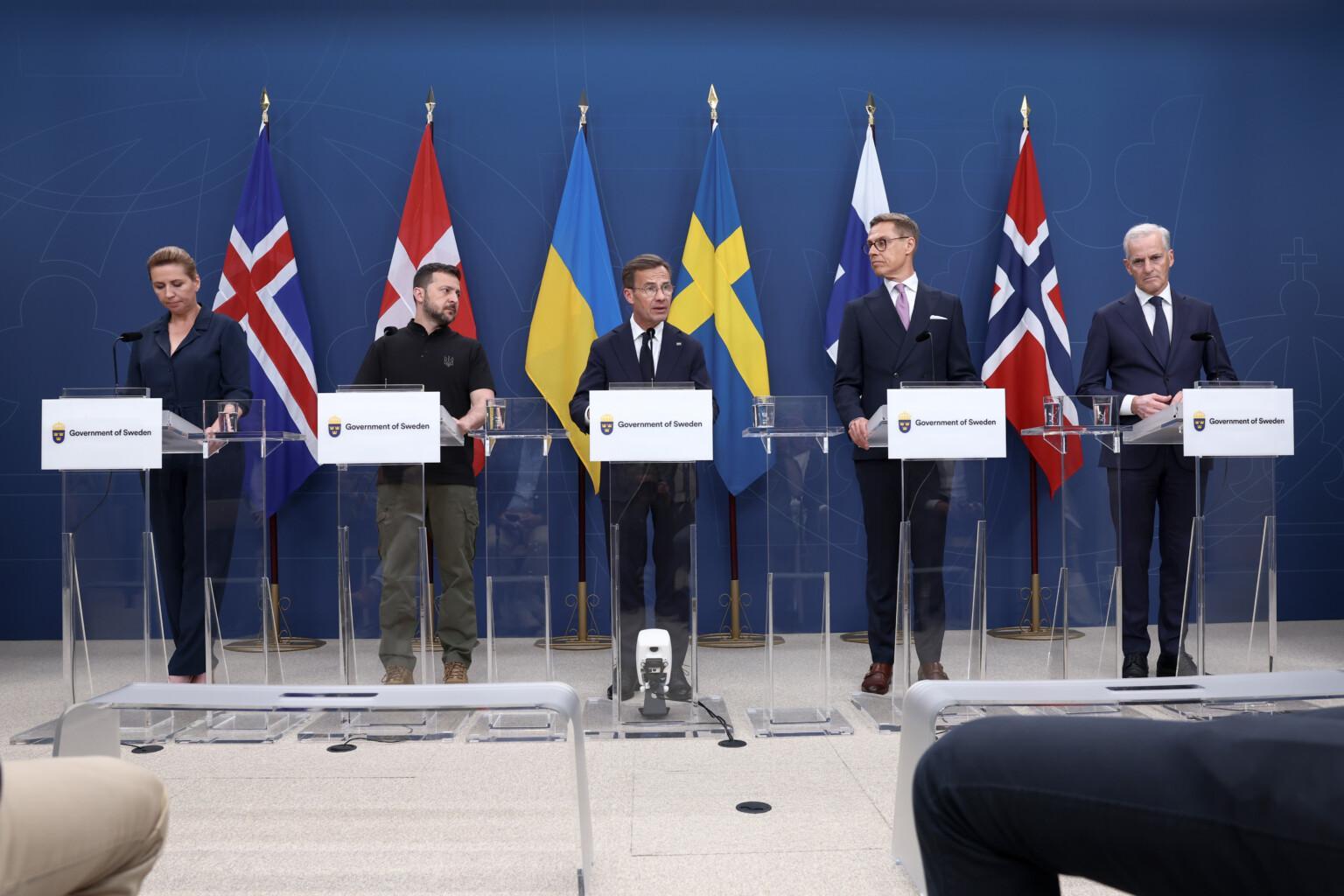
Nordic defence cooperation has reached a new level after Finnish and Swedish NATO accession. For decades, the Nordic region has been an example of what International Relations scholars call a security community – a region characterised by cordial relations, cooperation at various levels, and the unimaginability of interstate war between its members. Now, for the first time, all Nordic states are formally committed to collective defence against external threats as well.
The Nordics are also united and clear-eyed about what the main threat to the region is: the Russian Federation. The mercuriality of the Nordics’ most powerful ally, the United States, and President Donald Trump’s repeated musings about taking over Greenland have further strengthened the glue among the Nordics and brought Denmark’s defence outlook closer to those of its neighbours.
This unanimity, together with shared NATO membership, has facilitated the rise of a Nordic deterrence cluster: a group of allies engaged in intense military collaboration within a multinational defence alliance. The cluster can also act as an interest group in allied decision-making. The four Nordic countries with armed forces – Denmark, Finland, Norway, and Sweden – are already above, or on track to reach, 3% of GDP in defence spending. In real money, this amounts to around €50 billion – a sum equivalent to Poland’s annual defence expenditure. This level of spending will grant the countries further sway in defining NATO’s direction.
The Nordics are united and clear-eyed about what the main threat to the region is: the Russian Federation.
The Nordic cluster – characterised by close collaboration between air forces, a military mobility corridor, joint Nordic command and control as well as planning, and a nascent division of labour among the countries – is an example of how NATO allies could develop the Alliance’s posture in its most exposed parts. The Swedish-led Forward Land Forces Finland is also an illustrative example of the new level of collaboration reached by the Nordics.
NATO’s frontline, extending from the waters of the European Arctic to the Black Sea region, consists of three distinct fronts, each constituting its own operations area. Nordic cooperation addresses the problems of the Joint Operations Area Northwest, covering the Nordic region, the European Arctic, and the North Atlantic. The other fronts include the southeastern Baltic Sea region, covered by Joint Operations Area Centre, and the Black Sea region, covered by Joint Operations Area Southeast. Neither of the other two areas has regional arrangements as deep as those in the Nordics. However, they would benefit from similar minilateral latticework. Enhancing interoperability, exercises, planning, command and control, and logistics based on regional needs and a certain division of labour would not only make the implementation of NATO’s collective defence more effective but also improve exposed allies’ capability to respond quickly if the Alliance’s decision-making and allied support are slow.
Despite being an example of allied military cooperation, the Nordic cluster can still be enhanced further. Two issues stand out: cluster cohesion and the possibility of moving from military cooperation towards military integration.
First, the Nordics should pay particular attention to the cohesion of their cluster, which is the result of several factors. They could further enhance the nascent division of labour in the region’s defence. Moreover, despite aligned views on Russia’s threat potential, constant strategic dialogue is needed on how the menace develops, how it should be addressed, and what it means for the shared security environment. Lastly, and relatedly, the Nordics should further develop a shared view on how deterrence measures, including nuclear deterrence, are implemented in the region and how escalation management is best carried out.
Nordics should consider whether to move more decisively towards military integration
Some recent examples demonstrate that cohesion is not yet where it should be. The Nordics have, for instance, had somewhat different approaches to the French initiative on forward nuclear deterrence. Whereas Sweden and Denmark were among the first states to join the initiative, Norway followed later, with Finland becoming the most recent Nordic country to do so in September 2026. Ideally, the Nordics would have proceeded in lockstep, since it is difficult to assess what the French proposal means for Northern European security if not all relevant players are included.
The second question the Nordics should consider is whether to move more decisively towards military integration. The difference between military cooperation and integration is that whereas cooperation means coordinating national policies and wills, integration is about fusing them. A division of labour – including specific role-setting and capability pooling – as well as joint planning and command are examples of integration. Essentially, in military integration, states exchange autonomy for more efficient defence and denationalise their military efforts. Moving deliberately in this direction would necessitate stronger political guidance. However, it is unlikely, and inadvisable, that the national level and the coordination of national wills would become meaningless in Nordic defence efforts.
Despite tremendous progress, there is still room for deepening and strengthening the Nordic deterrence cluster, as it is hard to see future developments in the European security environment that would not require joint Nordic solutions. The paradox of Nordic cooperation is that taking it to the next level would require political leadership and attention. Yet precisely because the cluster works well and enjoys almost complete support across Nordic societies, it tends to receive less high-level political attention than the more contentious international issues. Finland, in particular, as the most geographically exposed country, would benefit from tying the Nordics as closely together as possible.
Why does this matter now?
The Nordic deterrence cluster offers a template for how NATO’s other subregions could effectively organise regional cooperation to strengthen the Alliance’s deterrence posture.
What needs to change?
The Nordics should further cultivate the cluster’s cohesion and move towards military integration where possible and sensible.
What needs to be done?
Stronger political leadership is required. The Nordic leaders should convene at the level of heads of state or government to decide on the next steps – potentially based on a report similar to the landmark Stoltenberg report published in 2009.
Matti Pesu is a Senior Research Fellow in the Finland and Northern European security research programme at the Finnish Institute of International Affairs. He has led multiple research projects analyzing Finland’s security policy and NATO policy. Since the beginning of 2023, Pesu has been leading FIIA’s Nordic network.
This text was published as part of the HSF 2026 Report on October 2026. You can read all articles from the report here.
Photo: Ninni Andersson/Regeringskansliet
The era of single-solution security is over: Helsinki Security Forum 2026 explores new layers of security
The era of single-solution security is over. In a world shaped by disruption and competition, resilience no longer stems from…

Miten Suomi turvataan? Helsinki Security Forum -konferenssi käynnistyy avoimella keskustelutilaisuudella
Suomen turvallisuusympäristö monimutkaistuu. Venäjän strateginen voimapolitiikka, kansainvälisten riippuvuuksien hyödyntäminen valtapolitiikan välineinä sekä suurvaltojen kasvavat etupiirivaateet horjuttavat sääntöpohjaista järjestelmää. Samalla Yhdysvaltain…

Call for Applications: Youth Delegates for Helsinki Security Forum 2025
Are you a young professional interested in foreign and security policy? Would you be interested in taking part in Helsinki…
About the author
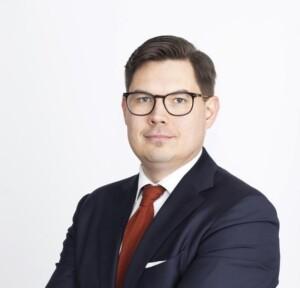
Matti Pesu
Senior Research Fellow
Matti Pesu is a Senior Research Fellow in the Finland and Northern European security research programme at the Finnish Institute of International Affairs. He has led multiple research projects analyzing Finland’s security policy and NATO policy. Since the beginning of 2023, Pesu has been leading FIIA’s Nordic network.
Pesu has worked at FIIA since 2017 as a Visiting Fellow, Research Fellow, and Senior Research Fellow. He has also worked at Tampere University, the European Commission, and the Ministry for Foreign Affairs of Finland. In 2012–2018, he was actively involved in the leading Finnish online magazine on international politics, The Ulkopolitist, most recently as a Managing Editor.